Source healing crystal image tumbled stones for decor, gifts, and art
Compare 30 listings for healing crystal image tumbled stones from Chinese suppliers. Buyers can review prices, MOQs, and shipping options for decorative, gifting, and artistic applications.
Key considerations
Products List
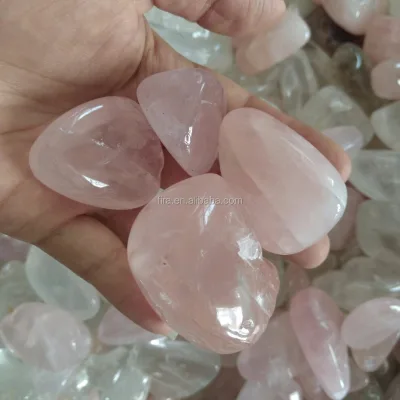
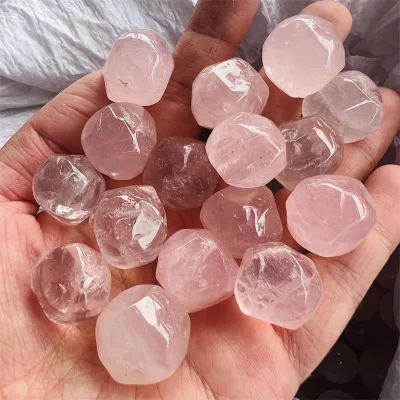
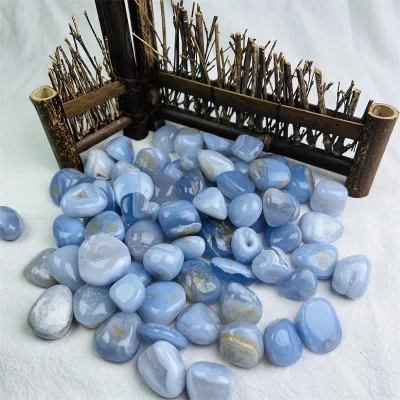
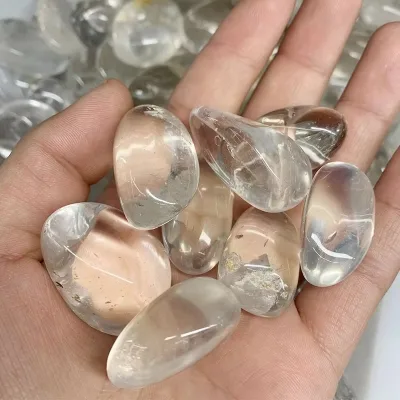
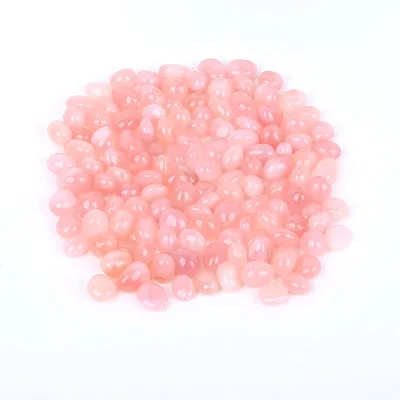
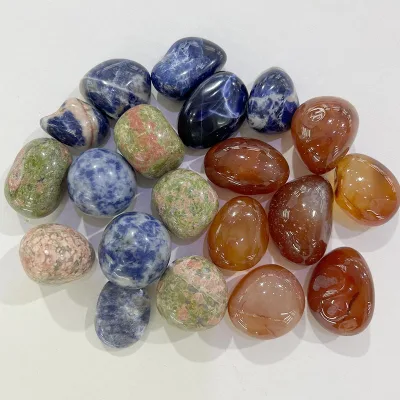
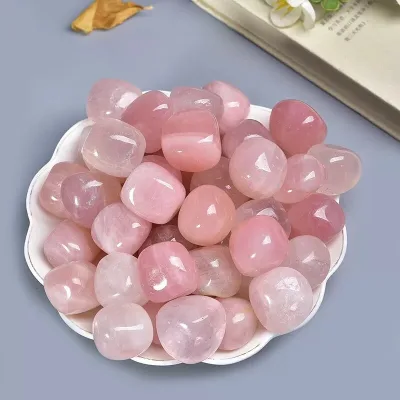
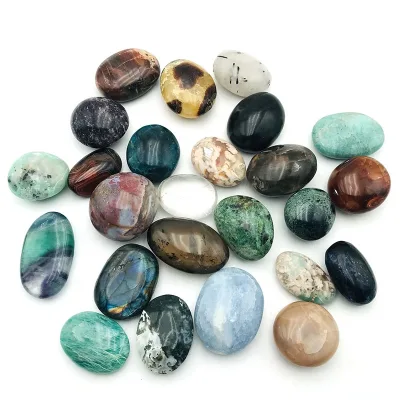
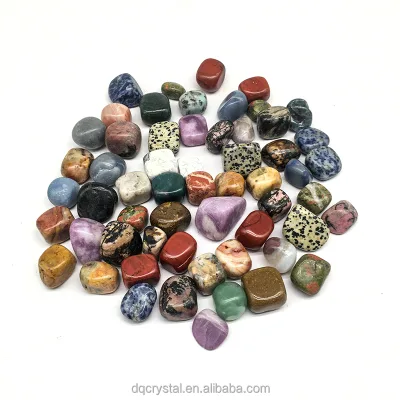
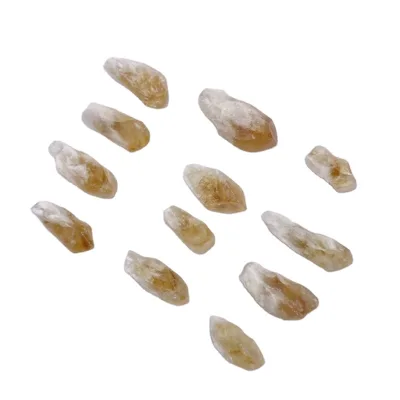
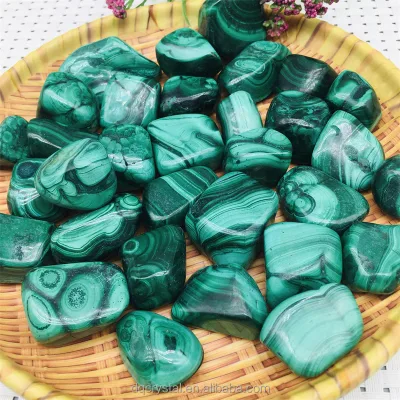
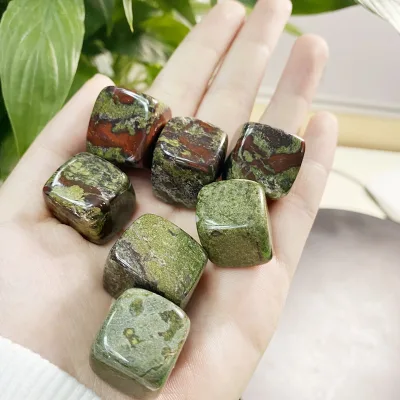
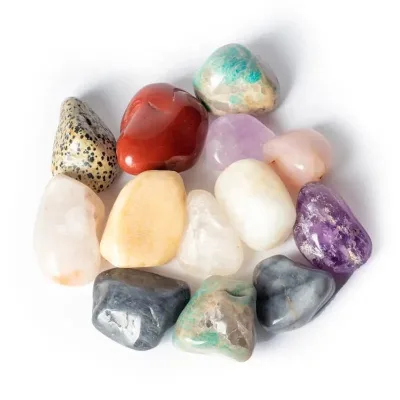
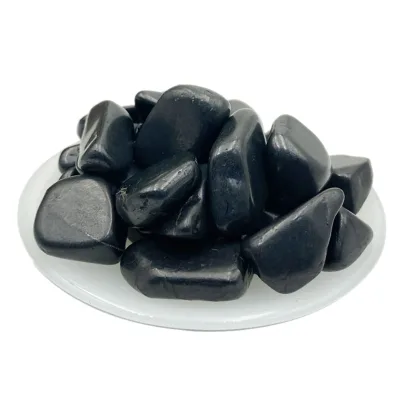
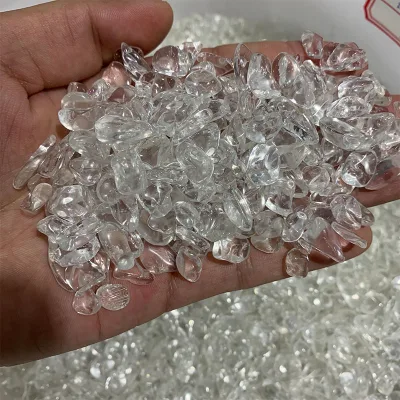
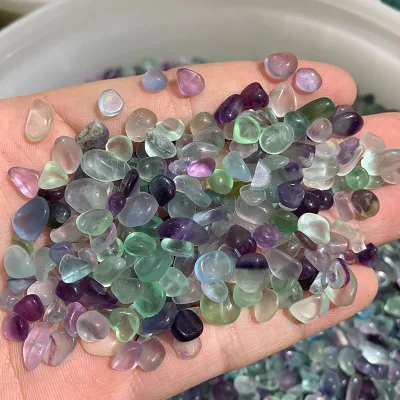
Comprehensive Sourcing Guide
Strategic Sourcing Guide for Healing Crystal Image Tumbled Stones
Understanding Product Definitions and Core Attributes
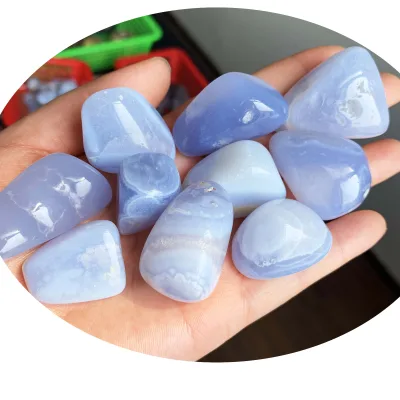
The category of healing crystal image tumbled stones encompasses a specific subset of natural and processed mineral goods marketed for decorative, spiritual, and therapeutic purposes. In the context of B2B procurement, buyers must distinguish between generic "tumbled stones" and those specifically categorized as "crystal image" products or those featuring specific branding like "crystal diamond" or "blue lace agate." The supplied market data indicates a diverse range of product identities, including items labeled as "crystal tumble stone" and "blue lace agate tumble," suggesting that the market is not monolithic but rather segmented by specific mineral types and intended visual effects.
A critical observation from current listings is the variability in product naming conventions. Some entries explicitly state the product type as "CRYSTAL DIAMOND," while others identify the material as "Crystals Tumbled Stones" or specific varieties like "blue lace agate." This inconsistency requires buyers to verify the actual mineral composition rather than relying solely on marketing titles. The primary material attribute observed is "Crystal," yet the specific geological classification varies. Furthermore, the "Style" attribute frequently references "Feng Shui," indicating a strong alignment with traditional Asian design philosophies and energy-based marketing claims. The "Use" category spans "Art & Collectible" and "home decoration," confirming that these items serve dual purposes as both aesthetic objects and functional decor.
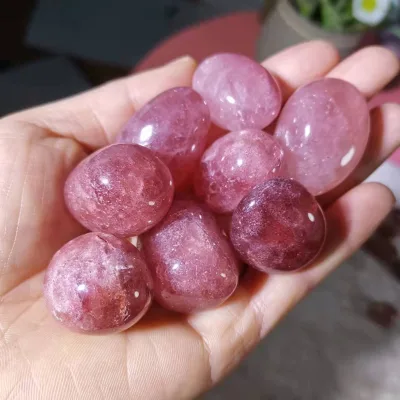
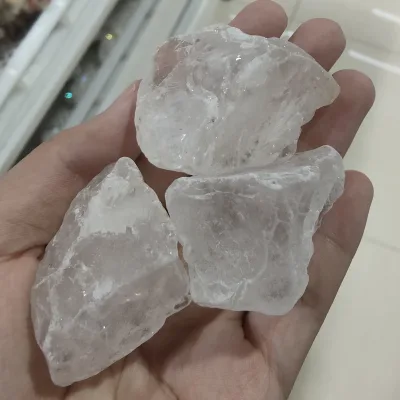
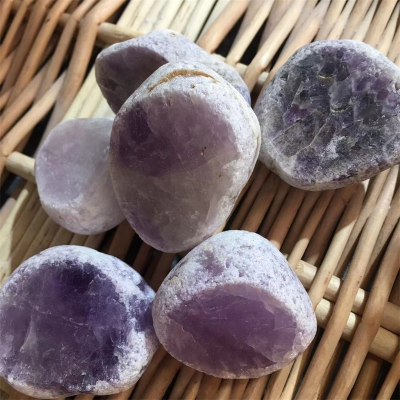
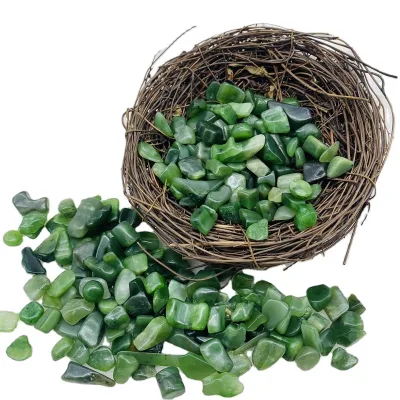
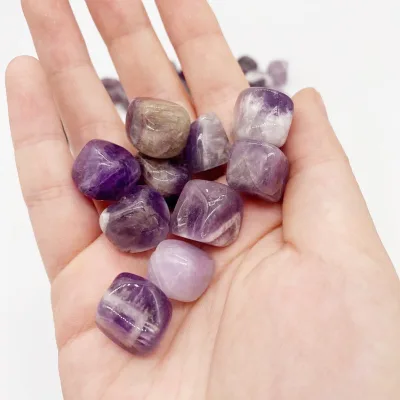
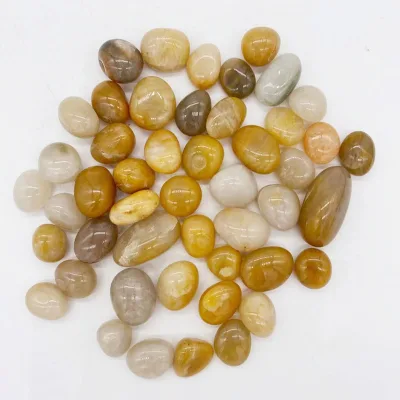
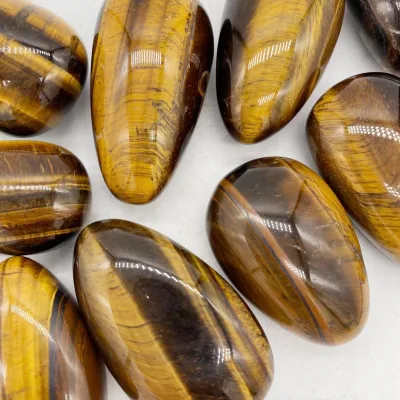
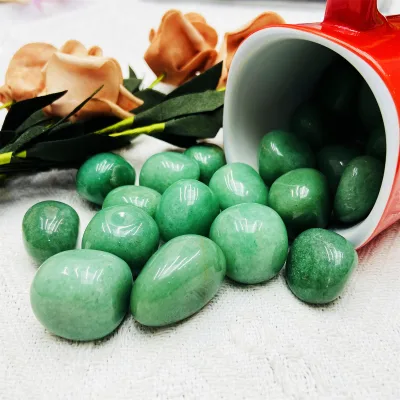
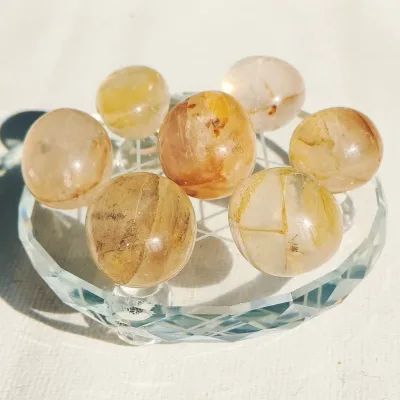
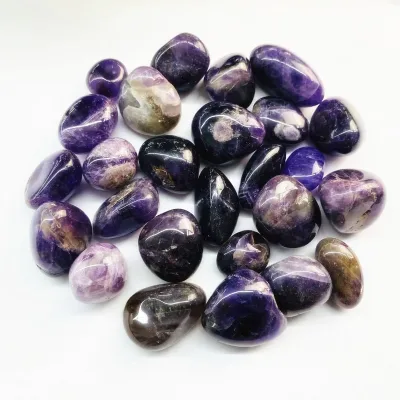
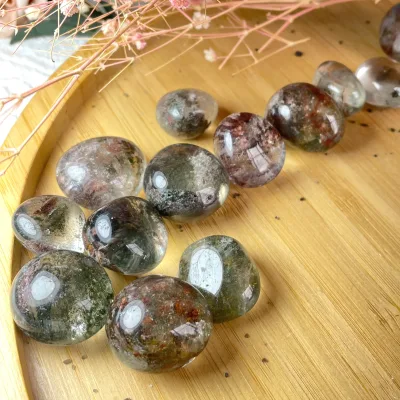
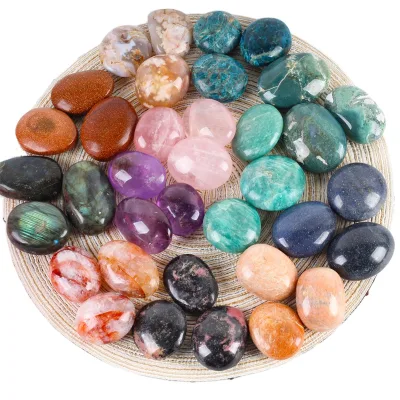
The physical presentation of these stones is equally varied. The "Color" attribute lists a broad spectrum including "Colorful," "White," "Purple," "Green," and "Pink," alongside specific hues like "blue." This suggests that suppliers offer a wide array of SKUs to cater to different aesthetic preferences. The "Printing" and "Technique" attributes reveal that some products undergo specific surface treatments, such as "engraved," "Embossing Printing," or "Polished" finishes. One entry notes a "MOSAIC" technique, which implies a composite construction rather than a single polished stone. Buyers must carefully review the "Technique" field to understand whether the product is a natural polished stone or a manufactured item with applied graphics or mosaic elements.
Technical Specifications and Dimensional Variability
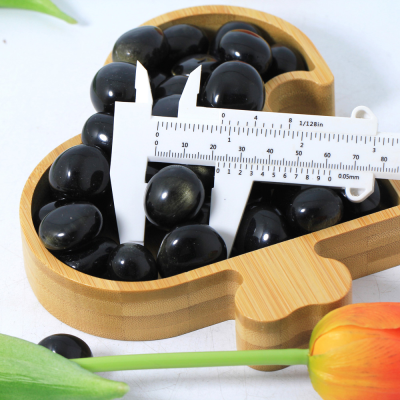
When sourcing tumbled stones, dimensional consistency is a primary logistical challenge. The provided data reveals significant variance in size specifications, ranging from "free" and "One Size" to specific measurements like "S," "M," and a defined range of "20-30 mm." This lack of standardization means that a single order may contain items with vastly different physical profiles unless the buyer explicitly defines the target size range in the purchase order. The "Single package size" data further complicates logistics, with observed dimensions of 20x19x18 cm, 20x18x19 cm, and 10x10x10 cm. These variations directly impact shipping costs and warehouse storage requirements.
Weight is another critical technical parameter. The "Single gross weight" is listed as 1.500 kg and 1.300 kg for different product configurations, while the "Single package size" varies accordingly. For bulk procurement, these weight differences accumulate rapidly, affecting freight calculations. The "Supply Ability" figures, ranging from 1000 kilograms per month to 5000 pieces per month, highlight the capacity differences between suppliers. Buyers must align their order volume with the supplier's stated capacity to ensure timely fulfillment. Additionally, the "Model Number" field often mirrors the product name, such as "crystal tumble stone" or "blue lace agate tumble," serving as a unique identifier for inventory management but requiring verification against the actual physical goods received.
The packaging details provided indicate a standard approach to protection: "Bubble paper" for the outer layer, with options for "Hard corrugated carton," "wooden box," or custom requirements. The "Safe Packing" attribute suggests a focus on preventing damage during transit, which is essential for fragile tumbled stones. However, the variability in package dimensions (10x10x10 cm vs. 20x19x18 cm) implies that the packing density and method may change based on the stone size or quantity per package. Buyers should request specific packing diagrams or photos to ensure that the chosen packaging method will protect the goods during long-haul shipping, particularly when the "Port of dispatch" includes major Chinese hubs like Qingdao, Shanghai, and Lianyungaong.
Cost Drivers and Pricing Dynamics
The pricing structure for healing crystal image tumbled stones is influenced by multiple factors, including material rarity, processing complexity, and order volume. The observed price range in the market spans from 0.58 to 157.22 USD. This wide disparity suggests that the lower end of the spectrum likely represents bulk raw materials or smaller, less processed stones, while the higher end may correspond to premium varieties, larger sizes, or items with specialized treatments like custom engraving or high-quality polishing. The "MOQ" (Minimum Order Quantity) varies from 1kg to 2kg, and in some cases, the unit is defined as a "Single item." This flexibility allows buyers to test the market with small orders, but it also means that unit economics will differ significantly between a 1kg trial order and a 2kg bulk purchase.
Supply chain costs are further dictated by the "Shipping" method, with "Air" transport being a noted option. Air freight is typically more expensive than sea freight but offers faster delivery times, which may be necessary for time-sensitive projects. The "Delivery Time" is observed to be 7-15 days, which is relatively fast for international trade, suggesting that suppliers may have stock on hand or efficient logistics partners. However, the "Sample time" of 1-7 days indicates that custom samples or specific requests may require additional lead time. Buyers must factor these timelines into their overall project schedule.
Payment terms are another cost consideration, with options including "Paypal," "Western Union," and "TT" (Telegraphic Transfer). The availability of multiple payment methods suggests a mature market with established financial channels, but buyers should verify the security and fees associated with each method. The "Quality" attribute is listed as "High Qualtiy" (noting the typo in the source data), which implies a baseline expectation of quality, but this is a general claim rather than a verified standard. Therefore, the cost per unit should be evaluated against the actual physical attributes of the sample, such as the "Polished" finish or "MOSAIC" technique, rather than relying on the supplier's self-assessment.
Compliance, Certification, and Regulatory Verification
In the realm of natural stones and crystal products, compliance and certification are often areas of ambiguity. The supplied data does not explicitly list specific certifications such as ISO, CE, or REACH compliance. This absence requires buyers to proactively verify regulatory status rather than assuming compliance based on the product listing. For products intended for the home decoration market, particularly those marketed with "Feng Shui" or "healing" claims, there may be specific labeling requirements in the destination country regarding material safety and marketing claims.
Buyers should verify whether the "Crystal" material is natural or synthetic, as this distinction can impact import duties and consumer protection laws. The "Material" attribute is listed as "Crystal" and "Crystals Tumbled Stones," but without specific geological testing reports, the exact composition remains unverified. If the product involves "Engraved" or "Embossing Printing" techniques, the inks or adhesives used must comply with local safety standards, especially if the stones are intended for environments where they might be handled frequently.
The "Place of Origin" is consistently listed as "Jiangsu, China," and the "Regional Feature" is "China." While this provides a clear geographical origin, it does not guarantee adherence to international quality standards. Buyers should request third-party test reports to confirm that the stones do not contain harmful substances such as lead, arsenic, or other heavy metals, which can sometimes be present in natural minerals. Additionally, if the product is marketed as a "Crystal Image" or "Crystal Diamond," buyers must ensure that the terminology does not violate trademark laws or consumer protection regulations in the target market regarding the use of the word "diamond" for non-diamond materials.
Supplier Evaluation and Operational Capabilities
Evaluating suppliers in this sector requires a focus on their operational consistency and transparency. The "Brand Name" "Vardy" appears in the data, indicating that some suppliers operate under specific brand identities, while others may be generic manufacturers. The "Logo" attribute states "Accept Custom Logo," which is a significant value-add for buyers looking to private label products. This capability suggests that the supplier has the infrastructure for customization, but buyers should verify the minimum order quantities for custom branding, as these often differ from standard SKU orders.
The "Supply Ability" figures, such as 1000 kilograms per month or 5000 pieces per month, provide a baseline for capacity planning. However, buyers should cross-reference these figures with the "Delivery Time" of 7-15 days to ensure that the supplier can maintain this pace during peak seasons. The "Port of dispatch" options, including Qingdao, Shanghai, and Lianyungaong, indicate that the supplier has experience with major export hubs, which is a positive indicator of logistical competence.
When assessing a supplier, buyers should also consider the "Packing" and "Packaging Details" provided. The mention of "Bubble paper" and "Hard corrugated carton" suggests a standard approach, but the ability to customize packaging ("according to your requirement") is a strong indicator of flexibility. Buyers should request photos of the actual packing process to ensure that the "Safe Packing" claim is backed by physical evidence. Furthermore, the "Sample time" of 1-7 days allows for a quick evaluation of product quality before committing to a larger order, which is a crucial step in mitigating procurement risk.
Quality Control and Long-Term Procurement Strategy
Quality control for tumbled stones is inherently challenging due to the natural variations in mineral composition. The "Quality" attribute is listed as "High Qualtiy," but this is a subjective claim. To ensure consistent quality, buyers should establish clear acceptance criteria based on the observed attributes, such as color consistency, surface finish (e.g., "Polished" vs. "MOSAIC"), and dimensional accuracy (e.g., "20-30 mm"). The presence of specific color attributes like "Blue," "Purple," and "Green" suggests that color grading should be a key part of the quality control process.
For long-term procurement, buyers should consider the "Usage" and "Style" of the products. Items marketed for "home decoration" and "Feng Shui" may have different durability requirements compared to those used for "Art & Collectible." The "Technique" of "Polished" implies a smooth surface, which may be prone to chipping if not handled correctly. Therefore, the packaging strategy must be robust enough to prevent damage during transit and storage. The "Single gross weight" and "Single package size" data should be used to calculate the total volume and weight of future orders, ensuring that the logistics plan remains efficient.
Buyers should also monitor the "Model Number" and "Name" consistency to avoid confusion in the supply chain. If a supplier offers both "crystal tumble stone" and "blue lace agate tumble," these should be treated as distinct SKUs with separate quality control protocols. The "Payment Term" options provide flexibility, but buyers should establish a clear contract that defines the quality standards, delivery timelines, and return policies for non-conforming goods. By maintaining a rigorous quality control process and fostering a transparent relationship with the supplier, buyers can ensure a steady supply of high-quality healing crystal image tumbled stones that meet their specific market needs.
FAQs
What materials are used for healing crystal image tumbled stones?
The primary material is crystal, specifically identified as Crystals Tumbled Stones or blue lace agate. Some listings also reference a product type labeled as Crystal Diamond, indicating varied mineral compositions.
Which sizes are available for these tumbled stones?
Sizes vary significantly, ranging from free size and One Size to specific measurements like S, M, and a defined range of 20-30 mm. Buyers must verify the specific size requirement before ordering.
Can suppliers accept custom logo requests for these stones?
Yes, suppliers accept custom logo requests for these products. This customization option allows buyers to brand the items, though specific minimum order quantities for custom branding may apply.
How long does delivery take for these crystal stones?
The standard delivery time is 7 to 15 days for most orders. Sample requests may require an additional 1 to 7 days for preparation before shipping begins.
What is the minimum order quantity for purchasing these stones?
The minimum order quantity ranges from 1 kg to 2 kg depending on the specific product listing. Some items are also available as single items for smaller trial orders.
Which colors are available for healing crystal image tumbled stones?
Available colors include Colorful, White, Purple, Green, Pink, and Blue. The specific hue depends on the mineral type, such as blue lace agate or general crystal tumble stones.